Vaccine Injury Compensation Program

March 18, 2026

Key Findings

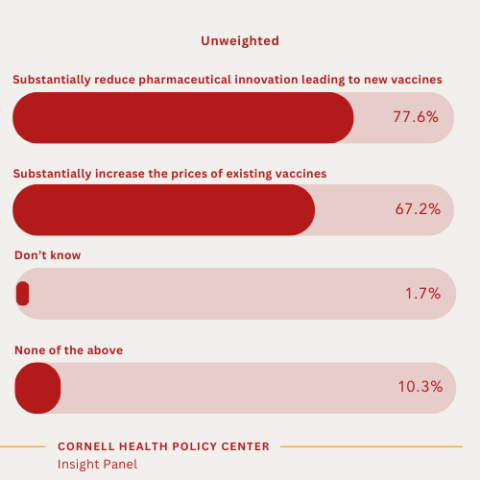
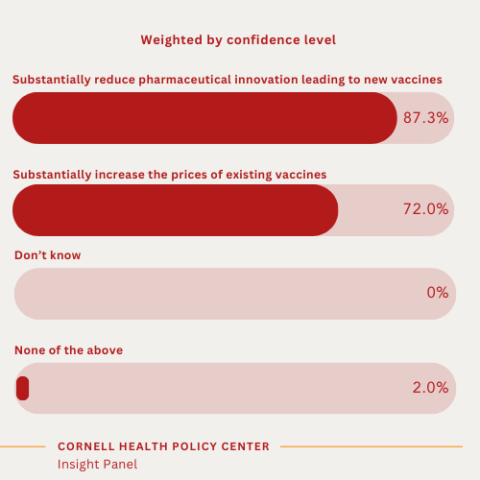
  • More than three-quarters of survey respondents (78%) felt that weakening liability protections for drug manufacturers conferred by the Vaccine Injury Compensation Program (VICP) would substantially reduce pharmaceutical innovation leading to new vaccines and 67% felt that it would increase prices for existing vaccines.
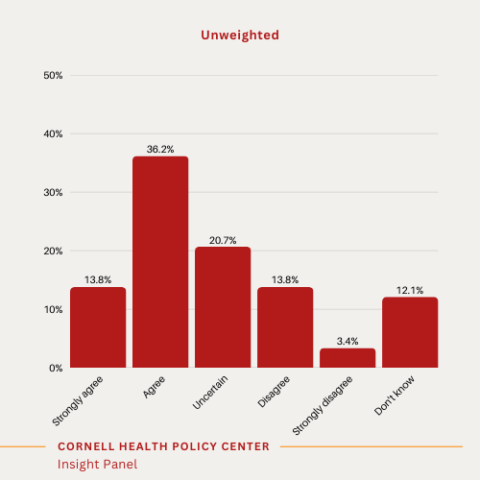
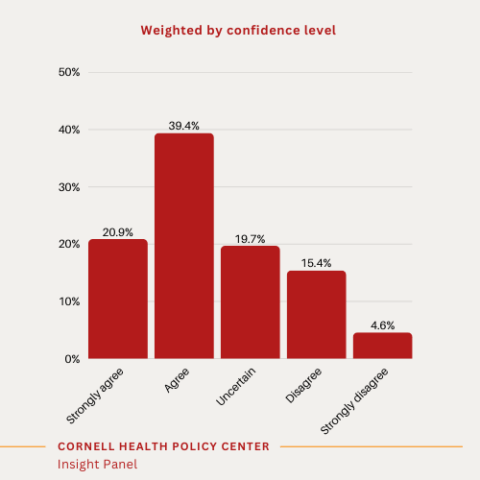
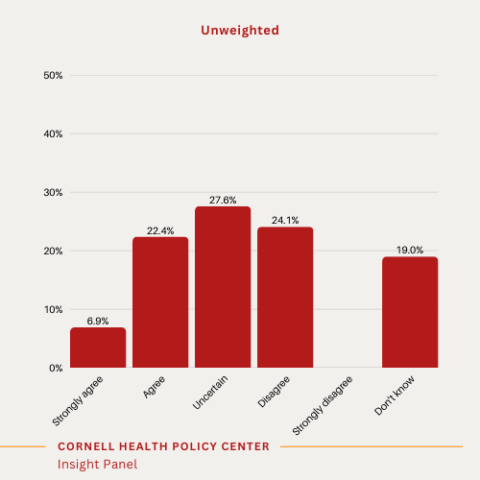
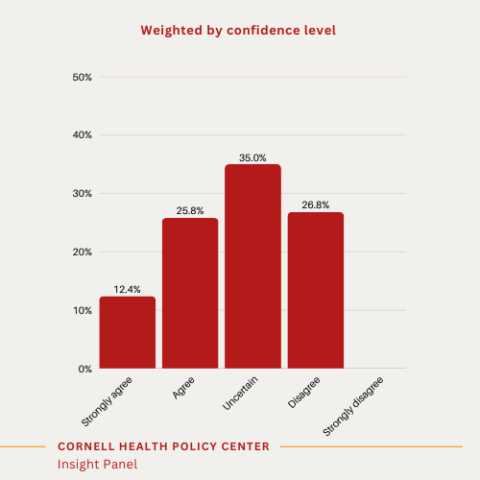
  • Half the respondents (50%) agreed or strongly agreed that weakening VICP liability protections for clinicians would reduce their willingness to administer vaccines. Another 21% were uncertain about the effects of such a policy change. Several panelists said that most clinicians are likely unaware of the program, so it would not affect their behavior, but others believed that clinicians are sensitive to perceived malpractice risks even when they are small.
  • There was little agreement about whether individuals who experience vaccine-related injuries would receive higher compensation through traditional litigation than under the current VICP. A number of respondents noted that there could be a meaningful increase in stress, uncertainty, and administrative complexity under a traditional litigation system.

Read the full Health Affairs Forefront summary of results here

Survey Questions

Please note: our surveys will consistently use two modifiers to describe the size of an effect: “Substantial”: when an effect is large enough to meaningfully influence policy decisions, program implementation, or outcomes of interest “Measurable”: when the direction of an effect is clear, but the effect may not be sufficiently large to make much of a difference for a given policy, program, or outcome.

Response rate of 94% (58 out of 62 panelists responded, 1 panelist abstained)


In 1986, Congress passed the National Childhood Vaccine Injury Act in response to rising vaccine-injury litigation, rising liability costs for vaccine manufacturers, and concern that manufacturers were exiting the market, threatening the stability of the nation’s vaccine supply. The law created the Vaccine Injury Compensation Program (VICP), which limits the ability of individuals who experience rare but serious side effects following vaccination to pursue lawsuits against manufacturers or clinicians who administer vaccines. The program serves as an alternative to traditional litigation, allowing eligible individuals to seek compensation through a federally administered system funded by an excise tax on vaccines. In recent discussions, some federal policymakers have proposed reforms to the program, including weakening liability protections for manufacturers and clinicians and expanding the range of conditions eligible for compensation.

Question 1: Weakening liability protections provided by the VICP for vaccine manufacturers would (select all that apply):

a. Substantially reduce pharmaceutical innovation leading to new vaccines
b. Substantially increase the prices of existing vaccines
c. None of the above
d. Don’t know


Question 2: Weakening liability protections provided by the VICP for clinicians would substantially reduce clinicians’ willingness to administer vaccines.

a. Strongly agree
b. Agree
c. Uncertain
d. Disagree
e. Strongly disagree
f. Don’t know


Question 3: Individuals who experience vaccine-related injuries would receive substantially higher compensation through traditional litigation than under the current VICP.

a. Strongly agree
b. Agree
c. Uncertain
d. Disagree
e. Strongly disagree
f. Don’t know


Individual Survey Responses

Question One

Weakening liability protections provided by the VICP for vaccine manufacturers would (select all that apply)

NameVoteConfidenceComments
Margarita AlegriaNone of the above7
David AschSubstantially increase the prices of existing vaccines, Substantially reduce pharmaceutical innovation leading to new vaccines6We have segments of the US population primed to believe in vaccine harm and they overlap considerably with those who have the kind of outrage to use litigation. I am not sure how large the second category is, but perceptions of the size of the intersection will drive risk management in this industry.
John AyanianSubstantially increase the prices of existing vaccines, Substantially reduce pharmaceutical innovation leading to new vaccines4
Peter BachSubstantially increase the prices of existing vaccines, Substantially reduce pharmaceutical innovation leading to new vaccines8
Laurence BakerSubstantially increase the prices of existing vaccines, Substantially reduce pharmaceutical innovation leading to new vaccines5
David BlumenthalSubstantially increase the prices of existing vaccines, Substantially reduce pharmaceutical innovation leading to new vaccines9
Erin Fuse BrownSubstantially increase the prices of existing vaccines, Substantially reduce pharmaceutical innovation leading to new vaccines3
Melinda BuntinSubstantially increase the prices of existing vaccines, Substantially reduce pharmaceutical innovation leading to new vaccines8
Michael F. CannonSubstantially increase the prices of existing vaccines, Substantially reduce pharmaceutical innovation leading to new vaccines1These effects do not necessarily indicate the changes would be undesirable. (Also, I’m not terribly sure about ‘substantial.’)
Lawrence CasalinoSubstantially increase the prices of existing vaccines, Substantially reduce pharmaceutical innovation leading to new vaccines7
Amitabh ChandraDon’t know0
Lanhee J. ChenSubstantially increase the prices of existing vaccines, Substantially reduce pharmaceutical innovation leading to new vaccines8
Michael ChernewSubstantially increase the prices of existing vaccines, Substantially reduce pharmaceutical innovation leading to new vaccines7
Janet CurrieSubstantially increase the prices of existing vaccines, Substantially reduce pharmaceutical innovation leading to new vaccines9
Lesley CurtisSubstantially reduce pharmaceutical innovation leading to new vaccines10
David CutlerSubstantially increase the prices of existing vaccines, Substantially reduce pharmaceutical innovation leading to new vaccines7
Julie DonohueSubstantially reduce pharmaceutical innovation leading to new vaccines8
Joseph DoyleSubstantially increase the prices of existing vaccines, Substantially reduce pharmaceutical innovation leading to new vaccines3
David DranoveSubstantially reduce pharmaceutical innovation leading to new vaccines10
Stacie DusetzinaSubstantially increase the prices of existing vaccines, Substantially reduce pharmaceutical innovation leading to new vaccines5
Jose EsarceNo Response
Elliott FisherSubstantially increase the prices of existing vaccines, Substantially reduce pharmaceutical innovation leading to new vaccines8
Richard FrankSubstantially increase the prices of existing vaccines6
Craig GarthwaiteNo Response
Darrell GaskinSubstantially increase the prices of existing vaccines6
Martin GaynorSubstantially increase the prices of existing vaccines, Substantially reduce pharmaceutical innovation leading to new vaccines7It seems very likely that weakening liability protections for manufacturers would reduce vaccine innovation and increase the prices of existing vaccines. However, the magnitudes of these effects are unclear to me.
Sherry GliedSubstantially increase the prices of existing vaccines, Substantially reduce pharmaceutical innovation leading to new vaccines6I am not sure it’s innovation — but I would expect reductions in the rate at which vaccines are brought to market.
David GrabowskiSubstantially reduce pharmaceutical innovation leading to new vaccines8
Jonathan GruberSubstantially reduce pharmaceutical innovation leading to new vaccines8
Vivian HoSubstantially increase the prices of existing vaccines, Substantially reduce pharmaceutical innovation leading to new vaccines10
Jason HockenberrySubstantially increase the prices of existing vaccines, Substantially reduce pharmaceutical innovation leading to new vaccines6
Haiden HuskampDon’t know0This answer depends on the extent to which the liability protections would be weakened.  I don’t know the details of the proposals being considered and the question stem doesn’t provide specifics, so I am not able to answer.
Benedic IppolitoDon’t know0
Anupam JenaAbstained
Nancy KeatingSubstantially increase the prices of existing vaccines, Substantially reduce pharmaceutical innovation leading to new vaccines5Uncertain how big the effects would be.
Aaron KesselheimSubstantially increase the prices of existing vaccines8By potentially driving out some vaccine manufacturers and reducing competition within certain markets
Jonathan KolstadNo Response
R Tamara KonetzkaSubstantially increase the prices of existing vaccines6
Rick KronickSubstantially increase the prices of existing vaccines, Substantially reduce pharmaceutical innovation leading to new vaccines4
Valerie LewisDon’t know0
Nicole MaestasSubstantially reduce pharmaceutical innovation leading to new vaccines9
Tom McGuireSubstantially increase the prices of existing vaccines6
Ellen MearaSubstantially reduce pharmaceutical innovation leading to new vaccines6
Ateev MehrotraSubstantially reduce pharmaceutical innovation leading to new vaccines8
David MeltzerNo Response
Joseph NewhouseSubstantially increase the prices of existing vaccines, Substantially reduce pharmaceutical innovation leading to new vaccines9I’d give it a 10, but I think there is some very small positive probability of being wrong.
Sean NicholsonSubstantially reduce pharmaceutical innovation leading to new vaccines7Amy Finkelstein’s paper, which is now a bit dated, demonstrates the importance of this policy on vaccine development.  The dated part is why I don’t put a 10 here
Steve ParenteDon’t know0
Stephen PatrickSubstantially increase the prices of existing vaccines, Substantially reduce pharmaceutical innovation leading to new vaccines10This will be devastating. It’s part of an ongoing attack to impede and destroy one of the foundations of our public health system.
Harold PollackSubstantially reduce pharmaceutical innovation leading to new vaccines5
Daniel PolskyDon’t know0
Ninez PonceSubstantially increase the prices of existing vaccines, Substantially reduce pharmaceutical innovation leading to new vaccines6
Thomas RiceSubstantially increase the prices of existing vaccines, Substantially reduce pharmaceutical innovation leading to new vaccines7
Meredith RosenthalSubstantially reduce pharmaceutical innovation leading to new vaccines8
Joseph RossSubstantially increase the prices of existing vaccines, Substantially reduce pharmaceutical innovation leading to new vaccines8The VICP liability protections have been strongly credited with promoting vaccine innovation, with more willingness among companies to foster development of products in this space. While the price argument is murkier, because prices are affected by so many different aspects of the market, I have little doubt that any weakening of the liability protections would be used as a justification for price increases.
Brendan SalonerSubstantially increase the prices of existing vaccines6I think manufacturers would price litigation risk into their existing vaccines
Kosali SimonSubstantially increase the prices of existing vaccines, Substantially reduce pharmaceutical innovation leading to new vaccines8
Jon SkinnerSubstantially increase the prices of existing vaccines, Substantially reduce pharmaceutical innovation leading to new vaccines8
Ben SommersSubstantially increase the prices of existing vaccines, Substantially reduce pharmaceutical innovation leading to new vaccines5
Neeraj SoodSubstantially increase the prices of existing vaccines, Substantially reduce pharmaceutical innovation leading to new vaccines7Amy QJE paper
David StevensonSubstantially increase the prices of existing vaccines, Substantially reduce pharmaceutical innovation leading to new vaccines7
Kevin VolppSubstantially increase the prices of existing vaccines, Substantially reduce pharmaceutical innovation leading to new vaccines6
Rachel WernerSubstantially reduce pharmaceutical innovation leading to new vaccines5


Question Two

Weakening liability protections provided by the VICP for clinicians would substantially reduce clinicians’ willingness to administer vaccines.

NameVoteConfidenceComments
Margarita AlegriaAgree9
David AschDisagree9
John AyanianUncertain3
Peter BachDisagree6
Laurence BakerAgree4
David BlumenthalUncertain8
Erin Fuse BrownDon’t know0
Melinda BuntinStrongly agree9
Michael F. CannonAgree1These effects do not necessarily indicate the changes would be undesirable. (Also, I’m not terribly sure about ‘substantial.’)
Lawrence CasalinoStrongly agree10
Amitabh ChandraDisagree7
Lanhee J. ChenAgree8
Michael ChernewAgree7
Janet CurrieStrongly agree8Given that the federal government has reduced the number of vaccines that are suggested, I think that clinician’s comfort level with supplying vaccines like RSV or Covid for children would fall.
Lesley CurtisDisagree5Although I don’t believe that the change would make clinicians less willing to administer a vaccine, I expect that they would be less likely to promote /encourage vaccination.
David CutlerUncertain5
Julie DonohueAgree7
Joseph DoyleDisagree3
David DranoveStrongly agree10
Stacie DusetzinaUncertain7Safety events are still rare, even if more liability.
Jose EsarceNo Response
Elliott FisherStrongly agree9
Richard FrankUncertain5
Craig GarthwaiteNo Response
Darrell GaskinAgree8
Martin GaynorAgree8It’s likely that clinicians would be concerned about their liability and that would have a negative effect on their willingness to administer vaccines, however, I don’t have a clear sense of how large the impact might be.
Sherry GliedAgree6
David GrabowskiUncertain7
Jonathan GruberUncertain5
Vivian HoAgree8Clinicians might require patients to sign forms that release the clinician of liability. While that might reduce clinicians’ reluctance to administer vaccines if VICP is eliminated, it would significantly reduce the percentage of people getting vaccinated.
Jason HockenberryUncertain7The effects of and change in VICP would be dependent on how standards of care evolved and whether the use of informed consent in vaccine provision became the default. If vaccine provision remained a standard of care or informed consent were made the default it would likely blunt the effects of VICP changes.
Haiden HuskampDon’t know0Same issue as #1.  In theory, weakening liability protections could reduce willingness to administer vaccines among some (but not all) clinicians. I don’t think we have enough information in the literature on clinician views on these issues to know how this would play out.
Benedic IppolitoDon’t know0
Anupam JenaAbstained
Nancy KeatingAgree5
Aaron KesselheimAgree7Physicians are sensitive to perceived malpractice risks even when the actual risks are low.
Jonathan KolstadNo Response
R Tamara KonetzkaStrongly agree8
Rick KronickDon’t know0
Valerie LewisDisagree8
Nicole MaestasAgree7
Tom McGuireAgree8
Ellen MearaAgree6
Ateev MehrotraAgree6
David MeltzerNo Response
Joseph NewhouseStrongly disagree7If patients ask for the vaccine, I think almost all clinicians would administer.  Then the issue comes down to how many clinicians would ask if their patients want a vaccine if the patients themselves don’t ask.  I think most clinicians would ask, at least for most vaccines, but I have no evidence for that.
Sean NicholsonStrongly disagree9
Steve ParenteDon’t know0
Stephen PatrickStrongly agree10
Harold PollackAgree5
Daniel PolskyDon’t know0
Ninez PonceAgree6
Thomas RiceUncertain7
Meredith RosenthalAgree8
Joseph RossDisagree8My suspicion is that clinicians’ will continue to be willing to administer vaccines, perhaps with more documentation of shared decision-making with patients, as most medical product litigation is targeted at manufacturers and vaccine adverse events are not likely to be related to the clinician administration (as opposed to the product itself).
Brendan SalonerDon’t know0I’m not sure how much clinicians could be at fault.
Kosali SimonStrongly agree8
Jon SkinnerUncertain5
Ben SommersUncertain4My guess is most clinicians have never heard of VICP and it doesn’t factor in their decision-making.
Neeraj SoodAgree6
David StevensonUncertain5
Kevin VolppAgree6
Rachel WernerDisagree7


Question Three

Individuals who experience vaccine-related injuries would receive substantially higher compensation through traditional litigation than under the current VICP.

NameVoteConfidenceComments
Margarita AlegriaAgree5
David AschAgree8
John AyanianUncertain3
Peter BachDisagree5
Laurence BakerDisagree6
David BlumenthalAgree6
Erin Fuse BrownDisagree4
Melinda BuntinDon’t know0
Michael F. CannonAgree1The ‘efficiency of the common law hypothesis’ posits that the iterative process of tort litigation will more closely approximate optimal compensation than is the legislative process, because the former is less susceptible to industry capture than the latter.

The potential for industry capture of VICP suggests that traditional litigation would produce higher compensation for victims.

Lawrence CasalinoUncertain6
Amitabh ChandraDon’t know0
Lanhee J. ChenStrongly agree10
Michael ChernewUncertain5
Janet CurrieUncertain8Litigation is a very uncertain way to pursue compensation.  Most cases are dismissed while a few win big.  Moreover, not everyone can get legal representation.
Lesley CurtisUncertain8Although causality can be established between vaccine administration and promixmal outcomes, proving that a vaccine is related to a distal outcome is very challenging.
David CutlerDisagree5It would increase administrative costs a lot.
Julie DonohueUncertain7
Joseph DoyleDon’t know0
David DranoveDisagree8
Stacie DusetzinaAgree7
Jose EsarceNo Response
Elliott FisherDisagree6
Richard FrankDisagree6
Craig GarthwaiteNo Response
Darrell GaskinUncertain7There would probably be more litigation but not more expensive litigation.
Martin GaynorUncertain5I don’t have the information to assess whether compensation would be higher via litigation versus the VICP.
Sherry GliedDisagree6Given high costs and uncertainty of litigation, I’d expect there to be some much bigger awards but more people receiving nothing.
David GrabowskiAgree7
Jonathan GruberStrongly agree9Depends if you are talking about median or mean.  I answered here for the mean, which will be higher due to some huge settlements.  The median may very well be lower.
Vivian HoUncertain10
Jason HockenberryDisagree6Standards of care provisions and informed consent in vaccination are likely to evolve with a change in VICP.
Haiden HuskampDon’t know0Again, I don’t know the details so am unable to answer.
Benedic IppolitoDon’t know0
Anupam JenaAbstained
Nancy KeatingAgree5
Aaron KesselheimDisagree7Maybe a small number, but overall outweighed by the greater time, uncertainty, and complexity of traditional litigation
Jonathan KolstadNo Response
R Tamara KonetzkaDisagree5
Rick KronickDon’t know0
Valerie LewisUncertain10
Nicole MaestasUncertain6
Tom McGuireUncertain6
Ellen MearaDisagree6While a small number of people would likely receive larger awards under such a scheme, it would most likely delay compensation for legitimate safety events related to vaccines (and hinder access to safe vaccines).
Ateev MehrotraAgree4
David MeltzerNo Response
Joseph NewhouseStrongly agree9But there would be considerable delay and stress.
Sean NicholsonAgree8
Steve ParenteDon’t know0
Stephen PatrickDon’t know0It’s less about individual compensation and more about what would happen to the overall fund.
Harold PollackUncertain5
Daniel PolskyStrongly agree10
Ninez PonceDon’t know0
Thomas RiceUncertain9
Meredith RosenthalDisagree6
Joseph RossUncertain10
Brendan SalonerUncertain2I don’t know enough about how often victims are getting paid right now
Kosali SimonAgree8
Jon SkinnerAgree7
Ben SommersAgree6
Neeraj SoodAgree7
David StevensonDisagree6
Kevin VolppDon’t know0
Rachel WernerDon’t know0